Educational content only. Not medical, psychological, or health services. London, United Kingdom.

Optimise Your Workspace

A well-designed desk supports better posture habits. Learn key principles for chair height, monitor placement, keyboard position, and more.

The Foundation: Chair and Desk Height

Your chair is your anchor. The right height allows your feet to rest flat on the floor with knees at roughly 90 degrees. Your desk should place your keyboard at elbow height when your arms are relaxed at your sides.

Key Checkpoints

  • Feet flat on floor or footrest
  • Knees at 90 degrees or slightly open
  • Back supported by chair backrest
  • Elbows close to ribcage, forearms horizontal
  • Shoulders relaxed, not shrugged
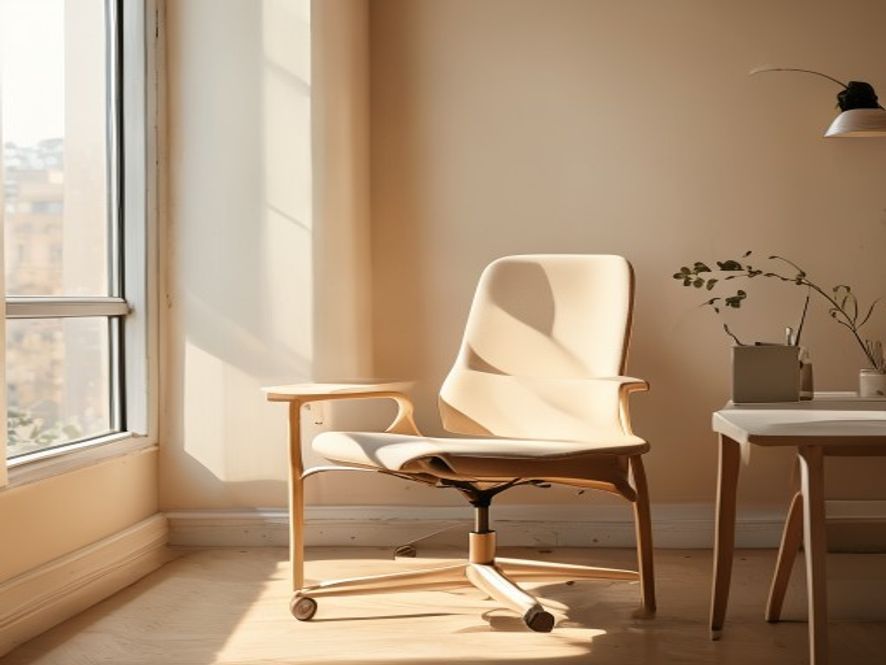
Empty ergonomic office chair by wooden desk, natural soft light, minimalist workspace

Monitor, Keyboard & Mouse Placement

Element Positioning Guideline Why It Matters
Monitor Top of screen at or slightly below eye level, arm's length away Reduces neck strain and forward head posture
Keyboard & Mouse At elbow height, close to your body Prevents shoulder and wrist tension
Document Holder Between keyboard and monitor if typing from paper Reduces excessive head turning
Lighting Natural or indirect, minimal glare on screen Reduces eye strain, discourages forward slouching
Footrest (if needed) Supports feet if they don't reach floor naturally Ensures proper leg and knee alignment
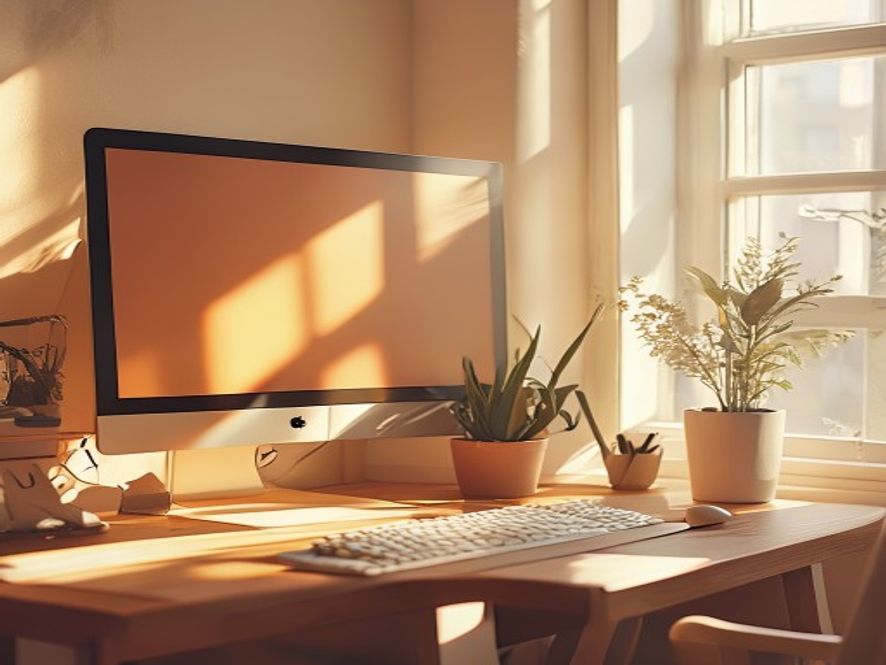
Organized desk with monitor, keyboard, and plant, soft afternoon light through window, minimal clutter

Beyond the Desk: Workspace Culture

Ergonomic setup is only half the story. The other half is movement. A perfect desk won't prevent postural fatigue if you sit still for eight hours straight. That's where our micro-break practices come in.

Creating a Movement-Friendly Environment

  • Clear space near your desk for brief standing or stretching
  • Remove barriers to standing and walking (e.g., excessive cables)
  • Use reminders or calendar prompts for pause breaks
  • Normalise movement in your team or office culture

Self-Assessment Checklist

Use this to evaluate your current setup. Tick off items that already work, note areas for improvement.

Next Steps

A strong workspace foundation combined with regular micro-breaks creates the ideal setting for postural habit change. Schedule a consultation to discuss your specific workspace and receive tailored recommendations.

Book Your Workspace Assessment